How to Find Bathroom Leaks Before They Cause Hidden Mold
Early signs of moisture behind walls
Bathroom leaks often start small. A loose pipe fitting, a worn seal around the showerhead, or a crack in the grout can let water seep into places you never see. By the time you notice a musty smell or discoloration on the wall, mold may already be growing inside the cavity. Catching these leaks early is the best way to avoid a larger remediation job later. Below is a practical checklist to help you spot hidden moisture before it turns into a bigger problem.
Check the ceiling below the bathroom
If your bathroom is on an upper floor, go to the room directly underneath. Look for water stains, peeling paint, or soft spots on the ceiling. Even a faint yellow ring can mean a slow leak from the shower pan or the toilet wax ring. Run the shower for five minutes while you watch that ceiling patch. If you see a drip or the stain darkens, you have found a leak that needs attention.
Inspect caulking and grout lines weekly
Caulk around the bathtub and shower tray is the first line of defense. Over time it shrinks, cracks, or pulls away from the tile. Water that sits on the edge of the tub can then drip down behind the wall. Run a finger along the joint between the tub and the tile. If you feel a gap or see a dark line, that is a path for moisture. The same goes for grout between tiles. Missing or crumbling grout lets water reach the waterproof membrane or, worse, the drywall behind it. Touch up caulk and grout as soon as you notice wear.
Look for soft or spongy wallboard
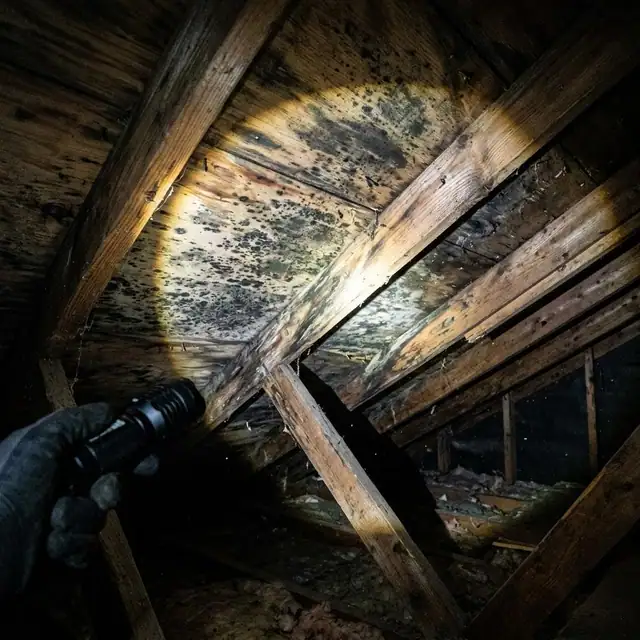
Press gently on the wall near the shower, the toilet, and the sink. Drywall that has absorbed water feels soft and may push in slightly. Tap with your knuckle. A hollow sound can mean the paper face is still intact but the core has gotten wet. If you find a soft spot, cut a small inspection hole to see what is happening behind it. Often the damage is larger than the visible spot. A moisture meter, available at any hardware store, can give you a reading without cutting. Anything above 15 percent moisture content in drywall is a red flag.
Monitor the toilet for silent leaks
A toilet can leak at the wax ring (the seal between the bowl and the flange), the supply line, or the fill valve inside the tank. The wax ring is a common culprit because it compresses over time. Water seeps out slowly and travels along the floor, wicking into the subfloor and the wall behind the toilet. Check for water around the base after flushing. If the floor feels damp or the tile near the toilet is loose, pull the toilet and replace the wax ring. Also listen for the sound of running water when the toilet is not being used. That could be a flapper valve issue that wastes water and can eventually cause overflow.
Watch for changes in water pressure
A sudden drop in water pressure while the shower is running may indicate a leak somewhere in the supply line inside the wall. The same goes for the sink. If the pressure is normal at the faucet but weak at the showerhead, the leak might be in the shower valve or the pipe behind it. Turn on the shower and the sink at the same time. If the shower pressure drops noticeably, that suggests a restriction or a leak in the line. A professional plumber can run a pressure test to confirm.
Check the ventilation system
Bathroom exhaust fans are meant to pull moisture out of the air. If the fan is weak, broken, or venting into the attic instead of outside, humidity stays high. That extra moisture condenses on cold pipes and wall cavities, feeding mold growth. Turn on the fan and hold a piece of tissue paper up to the grill. If the paper does not stick, the fan is not moving enough air. Clean the fan blades and the vent cover, and make sure the duct is connected and runs to the outside. A fan that vents into the attic can cause hidden mold in the roof structure as well as in the bathroom wall.
Use a moisture meter in hidden areas
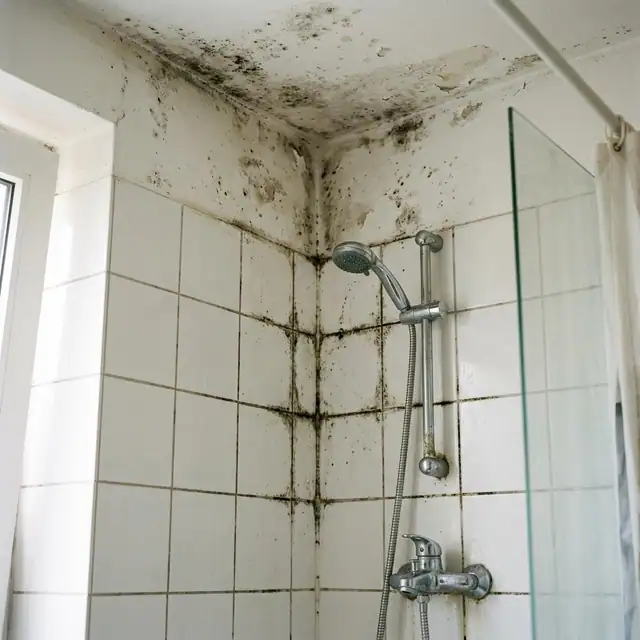
A non-invasive moisture meter can scan through tile, drywall, and paint to detect elevated moisture levels. Run it along the baseboards, around the toilet flange, and near the shower curb. If the meter reads high in a spot that looks dry, mark the area and monitor it over the next few days. A persistent high reading means water is getting in. This tool is especially useful for diagnosing leaks behind tiled shower walls where the waterproofing may have failed. Many mold remediation companies, including Mold Removal Boston Pros, use moisture meters during inspections to find hidden problems before they become visible. For more on how professionals approach this kind of detection, you can look up resources at moldremovalboston.org.
Examine the shower pan and drain
The shower pan is the base that catches water. If it was not installed correctly, or if the drain seal has degraded, water can pool underneath. Look for water pooling around the drain after a shower. If the drain gasket is old, it can leak even when the pan looks fine. Remove the drain cover and inspect the rubber gasket. Cracks or brittleness mean it is time for a replacement. Also check the caulk where the pan meets the wall. A gap there lets water run down behind the pan. Mold Removal Boston Pros often see this issue in older bathrooms where the pan has settled or the caulk has not been maintained.
Listen for dripping sounds
Your ears can catch what your eyes miss. Stand quietly in the bathroom after the water has been off for ten minutes. If you hear a drip, a trickle, or a hiss, track it down. A dripping sound inside the wall usually means a pipe joint is loose or a supply line has a pinhole leak. It may be a slow drip that only happens when the water is under pressure, so run the shower for a minute and then listen again. If the sound is coming from behind a tile wall, you will need to open the wall to repair it. That is a job best left to a plumber or a mold remediation specialist.
Check the subfloor and joists
If your bathroom has a wood subfloor, moisture can cause rot and mold that weakens the structure. Look for discolored or buckled flooring near the toilet, shower, and sink. A soft spot when you walk across the floor indicates the subfloor has absorbed water. If the floor feels springy, the leak may have been going on for a long time. In severe cases, the joists themselves can rot. A contractor can drill small holes and use a borescope to inspect the underside. Mold Removal Boston Pros sometimes finds this kind of damage in bathrooms that have had a slow leak for years.
Prevention through regular maintenance
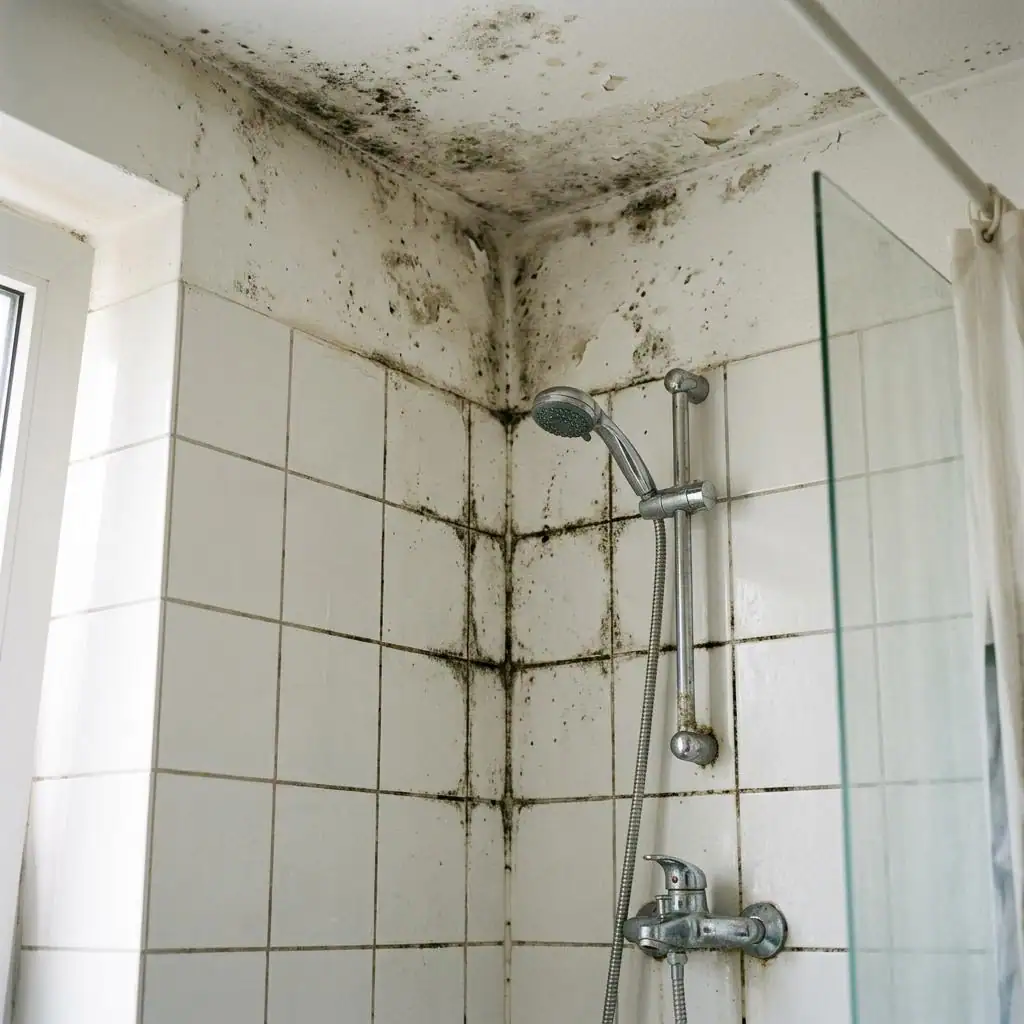
The best way to avoid hidden bathroom mold is to stay ahead of leaks. Make a habit of checking the items on this list every three months. Replace old caulk, tighten loose fittings, and test your exhaust fan. If you do find a leak, address it right away. The longer water sits, the more it damages the structure and the harder it is to remove the mold. For a deeper look at remediation strategies, professionals at moldremovalboston.org provide guidance on dealing with mold once it has taken hold behind walls. Acting early saves time, money, and the health of your home.